Most borrowers treat construction loan approval as the finish line. It isn't. Approval confirms the lender is willing to lend. It does not confirm the lender will release funds smoothly across six progress stages while your builder is on a fixed programme and your holding costs are running.
The stall usually happens at drawdown, not at application. Understanding why is the difference between a build that runs on schedule and one that blows out in time and cost.
What a Progress Draw Actually Requires
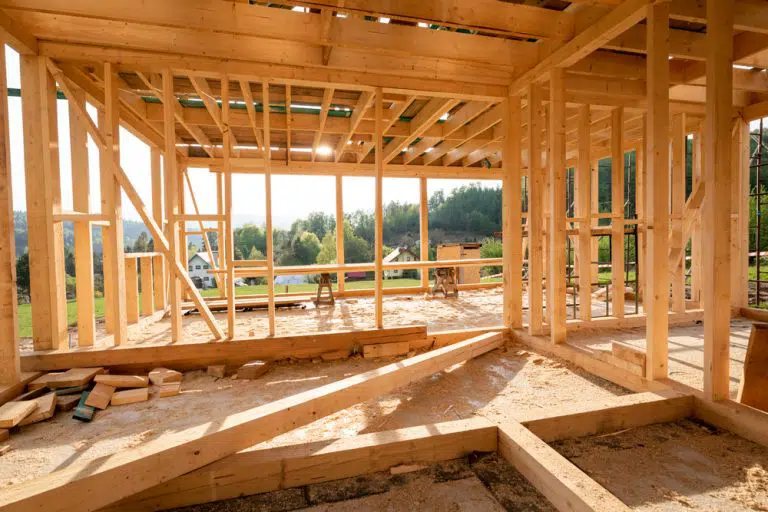
A construction loan doesn't release the full approved amount upfront. Funds are drawn in stages, typically aligned to your building contract milestones:
- •Slab down
- •Frame complete
- •Lock-up
- •Fit-out
- •Practical completion
At each stage, the lender requires evidence that the work has been completed to the required standard before releasing the next tranche. That sounds straightforward. In practice, it involves a sequenced chain of requirements that can delay payment by weeks if any link breaks.
Where Drawdowns Stall
Valuation gaps at each stage
Lenders assess the property on an "as if complete" basis at the time of approval. What they don't always do clearly is explain that each progress draw may trigger a re-inspection, and that valuer opinions on percentage completion don't always match your builder's invoice. If the valuer says the frame stage is 85% complete and the builder has invoiced for 100%, the lender holds the line. Your builder doesn't.
QS report delays
Some lenders, particularly on larger or more complex builds, require a Quantity Surveyor sign-off at each stage rather than a simple builder's invoice. QS firms are not always fast. A two-week QS delay at three separate stages adds six weeks to your build timeline before a single brick has moved slowly.
Lender admin bottlenecks
Construction lending is operationally intensive for the lender. Each drawdown is a manual process involving inspections, documentation review, and internal sign-off. Some lenders handle this efficiently. Others treat it as a low priority. If your broker placed you with a lender based on rate alone without considering their drawdown servicing capability, you find out the hard way.
Insurance and compliance gaps
Lenders require current builder's insurance, council-approved plans, and in some cases certifier sign-off at each stage. If any of these lapse or aren't provided in the right format, the draw pauses. Your builder doesn't.
What This Means for Your Build Programme
A builder running a fixed-price contract is working to a schedule. Their subcontractors, material orders, and site crew are sequenced against that schedule. When a progress draw is delayed by two or three weeks, the builder either carries the cost themselves or stops work. Most builders don't carry that cost. Most contracts don't require them to.
The flow-on effect is real: extended build timelines, potential variations, and in some cases penalties under your own purchase or development contract if practical completion dates are missed.
How a Specialist Broker Changes This
Placing a construction loan with the right lender is not just about rate and LVR. It's about knowing which lenders have efficient drawdown processes, which ones use internal inspectors versus third-party valuers, and what documentation they actually require at each stage before you submit.
A broker who understands construction lending structures the file upfront to minimise friction at every drawdown. They stay engaged through the build, not just at settlement. That's not a courtesy. For a build at this scale, it's a material part of the financing.
Settled With Joe works exclusively in this space. If you're planning a construction project and want to understand how lenders will actually manage your drawdown process, talk to us before you sign the building contract.