Access to over 90+ bank, non-bank, and private lenders


















Your finance broker for fast, same-week settlements.
Construction finance funds a build in stages rather than as a single advance. The lender assesses the project on what it will be worth when it is finished, releases funds progressively as the work is completed, and charges interest only on what has been drawn. It suits anyone building to occupy or to hold: a knockdown rebuild, a granny flat, a duplex, or a small multi-dwelling site. What varies most between lenders is documentation, how they treat owner-builders, and how quickly they release each progress payment. Joseph Farhat and his team will tell you honestly and quickly what is achievable for your situation.
Who we can help access finance
- •Owner-occupiers building a new home or undertaking a knockdown rebuild on a site they already own.
- •Investors building a duplex, a granny flat, or a secondary dwelling to hold for rental income.
- •Buyers of house and land packages who need the land settled and the build funded together.
- •Self-employed borrowers and ABN holders with strong equity whose income does not present neatly in two years of returns.
- •Borrowers who need land settled quickly while the construction facility is still being documented.
- •Owner-builders, where the lender list narrows considerably and the LVR is usually lower.
- •Builders and investors whose existing facility has stalled at a progress draw and needs refinancing to complete.
- •Anyone building something less conventional: kit homes, modular, container, or an unusual site.
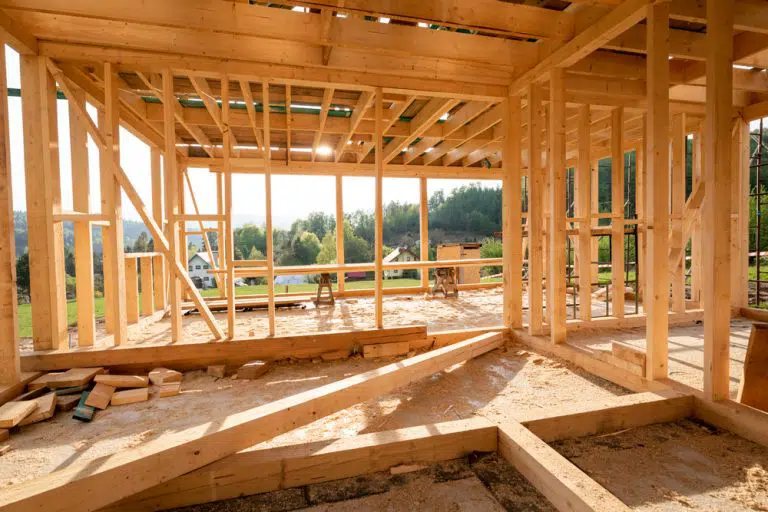
How Construction Finance Works
The lender approves a total facility based on the land value plus the cost of the build, tested against the on-completion valuation. Funds are then released in progress payments tied to construction stages: slab, frame, lock-up, fixing, and practical completion. Before each release the lender usually requires an inspection or a valuer sign-off. You pay interest only on the balance drawn, so holding costs are lowest at the start and rise as the build progresses. At practical completion the facility either converts to a standard loan or is refinanced. Joseph Farhat and his team review the contract, the site, and your position, match the scenario to the right lender from the 90+ panel, and manage the application through to practical completion.
What Lenders Assess for Construction Finance
- •On-completion valuation: the whole facility is sized against what the finished property will be worth, not what the land is worth today.
- •The building contract: a fixed price contract with a licensed builder is the cleanest position. Cost-plus contracts and staged trade contracts narrow the lender list considerably.
- •Builder credentials: licence, insurance, and track record. A builder with problems on other sites can affect your application even where your own position is strong.
- •Contingency: lenders want to see a buffer in the budget, commonly 5% to 10%, because variations during a build are normal rather than exceptional.
- •Documentation available: full financials open up the sharpest bank pricing. Alt-doc and low-doc options exist with non-bank lenders at a higher rate.
- •Serviceability during the build: you generally need to carry interest on the drawn balance alongside any existing rent or mortgage, so lenders test both.
- •Owner-builder status: permitted by some lenders, at a lower LVR and with more scrutiny of the budget and program.
- •The site itself: slope, access, bushfire and flood overlays, and heritage constraints all affect both the valuation and the appetite.
The Construction Finance Process: What to Expect
- 1.Talk to Joseph Farhat and his team about the site, the build, and what documentation you can produce. You will get an honest read on what is achievable before you sign a building contract.
- 2.Provide the basics: the building contract and plans, council approval, the land contract or title, your builder’s licence and insurance details, and your financials or bank statements.
- 3.We match your scenario to the lenders on the panel most likely to fund the build at a sensible LVR and rate. Contract type and owner-builder status change the lender list sharply, so this step matters.
- 4.The lender orders an on-completion valuation and issues an approval setting out the facility limit, rate, drawdown schedule, and conditions. We go through it with you before you sign anything.
- 5.Land settles if required, construction begins, and progress payments are released stage by stage. We stay involved through the draws, which is where most construction facilities actually run into trouble.
Indicative Finance Options
| Lender Type | Indicative Rate | Max LVR | Typical Loan Range | Loan Term | Key Consideration |
|---|---|---|---|---|---|
| Bank | From ~6.5% p.a. | Up to 80% on completion | $200K to $20M | 12 to 24 months | Fixed price contract and full income documentation usually required |
| Non-Bank Lenders | From ~8.5% p.a. | Up to 75% on completion | $200K to $15M | 6 to 24 months | Alt-doc and low-doc options, and faster assessment |
| Private Finance | From ~1% per month | Up to 70% on completion | $500K to $20M | 6 to 24 months | Available for unique scenarios |
Indicative figures only. Actual rates and terms depend on your project, financial position, property location, and lender assessment at the time of application. Rates are subject to change.
Why borrowers choose Settled With Joe for construction finance
- •We represent you, not the lender: Joseph Farhat and his team act in your interest from the first conversation through to practical completion.
- •Talk to us before you sign the building contract: contract type is one of the biggest drivers of which lenders will fund you, and it is very hard to change afterwards.
- •Progress draws are where builds stall: a lender that is slow to release a payment can hold up your site and cost you far more than a slightly better rate saves.
- •Owner-builder and alt-doc appetite is uneven: some lenders will not touch either, and knowing which do before you apply saves weeks.
- •On-completion valuations decide the facility: we set expectations against a realistic valuation rather than the number you hope for.
- •One conversation, not five applications: we approach the lenders most likely to fund your build first, so your credit file is not filled with declined enquiries.
- •90+ lenders on one panel: bank, non-bank, and specialist, so a fixed price contract with full financials can go to a bank at a sharper rate and a complex build still has options.
- •Private finance for unique scenarios: where bank and non-bank lenders are not the right fit, we can introduce you to private finance options.
- •Usually no direct cost to you: as a broker we are typically paid by the lender on settlement.
- •An honest answer early: if the land settles next month, talk to us first and we will tell you what is realistically achievable.